

Table of Contents
- Why Pacific Northwest Style Is Built for Real Weather
- How to Layer Clothes for Cold Weather Without Bulk
- PNW Capsule Wardrobe Essentials You Will Actually Wear
- Best Eco Friendly Apparel Brands 2026: What to Look For
- Urban vs. Outdoor Hybrid Styling: One Wardrobe, Two Settings
- Gender-Neutral Styling: Building a Wardrobe That Works for Anyone
- Caring for Technical Fabrics So They Last
- Conclusion
- Frequently Asked Questions
Last Updated: September 14, 2026
Why Pacific Northwest Style Is Built for Real Weather
Pacific Northwest apparel exists because the weather here refuses to pick a lane. A single afternoon can move from damp fog to pale sun to sideways rain, and getting dressed for it is less about fashion trends than about function that still looks good. This guide from JK Creation Finds breaks down how to style Pacific Northwest apparel so you stay comfortable through every one of those shifts, without hauling a duffel bag of backup outfits.
The core idea is simple: build a small wardrobe of layers that work together, then swap pieces in and out as conditions change. Once you understand the system, dressing for a wet, mild climate becomes automatic.
How to Layer Clothes for Cold Weather Without Bulk
Learning how to layer clothes for cold weather without bulk comes down to one principle: use three thin layers instead of one thick one. Each layer traps a pocket of warm air, and you can shed or add a piece as the temperature moves.
Base, Mid, and Shell: The Three-Layer System
The three-layer system is the foundation of any weather-ready outfit. A base layer sits against your skin and manages moisture, a mid-layer traps warmth, and a shell blocks wind and rain.

- Base layer: a moisture-wicking tee or light long-sleeve in merino wool or a synthetic blend
- Mid-layer: a fleece, sweater, or light puffer for insulation
- Shell: a waterproof, breathable jacket you can pack down small
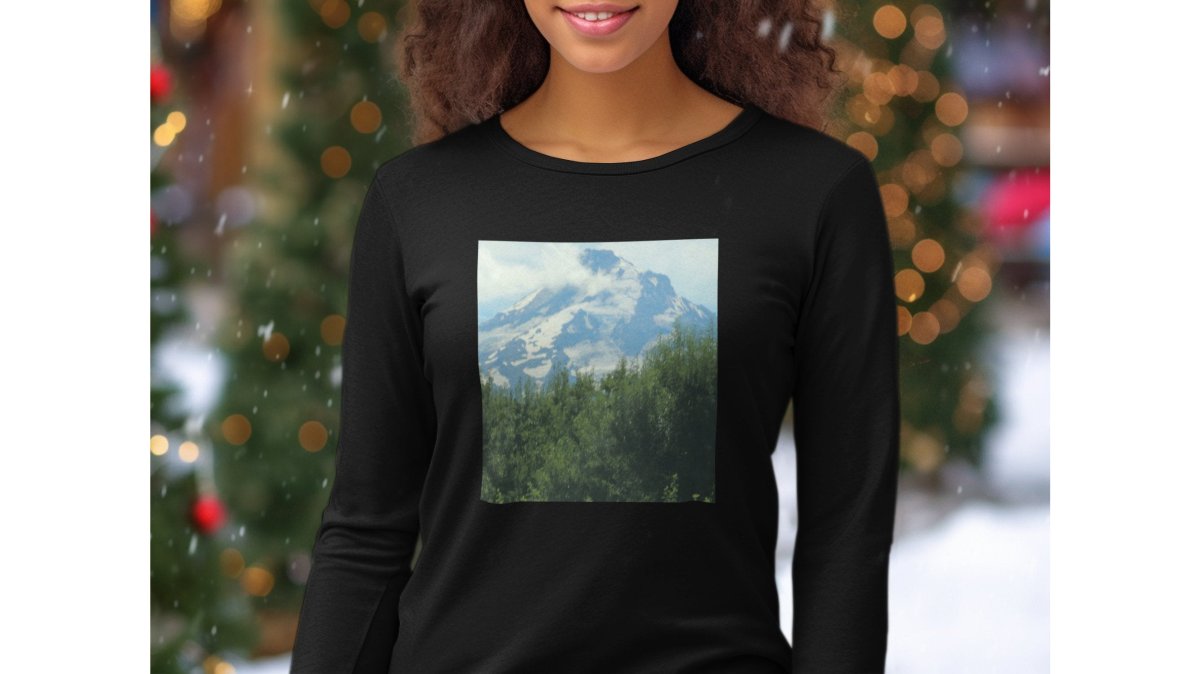
Fabrics That Handle Rain and Temperature Swings
Cotton is the wrong choice for a wet climate (the CDC). It soaks up water, loses insulation, and dries slowly, which is why most experienced locals reach for wool, fleece, and technical synthetics instead. A merino base layer can be worn several days between washes, which matters when you are traveling light (pubmed.ncbi.nlm.nih.gov).
PNW Capsule Wardrobe Essentials You Will Actually Wear
PNW capsule wardrobe essentials are the small set of pieces that cover nearly every day of the year. The goal is versatility: each item should work with the others and fit both a trail and a coffee shop.
The 12 Pieces That Cover Every Season
A practical capsule starts with these twelve items:
- Two moisture-wicking base layers
- One fleece or wool mid-layer
- One packable waterproof shell
- One insulated vest for shoulder seasons
- One pair of sturdy boots
- One pair of water-resistant sneakers
- Two pairs of durable pants, one weather-resistant
- One pair of wool socks per day you plan to be outside
- One warm beanie
- One lightweight scarf or neck gaiter
- One neutral-colored hoodie for everyday wear
- One versatile tote or daypack
That list leans heavily on neutral tones, which is deliberate. Earthy tones and a neutral palette mix without effort, so you spend less time matching and more time outside.
Best Eco Friendly Apparel Brands 2026: What to Look For
Shopping for the best eco friendly apparel brands 2026 means checking materials, sourcing, and how a company treats its workers, not just the label on the tag. A brand can call itself sustainable without proving much, so the useful skill is knowing which third-party certifications actually mean something and which words on a hangtag are just marketing.
Certifications That Carry Weight
A real certification is issued by an outside body, not the brand itself, and it comes with a searchable database or a license number. When you are comparing labels, these are the ones worth looking for:
- bluesign®, verifies that a textile mill limits harmful chemicals and manages water and energy use. Common on technical shells and synthetic layers.
- Global Recycled Standard (GRS), confirms the percentage of recycled content in a fabric and traces it through the supply chain. Look for the actual percentage, not just the logo.
- OEKO-TEX® STANDARD 100, tests finished fabric for harmful substances (OEKO-TEX® STANDARD 100). It says nothing about labor or farming, so treat it as one data point, not a full sustainability claim.
- Responsible Wool Standard (RWS), covers animal welfare and land management on wool farms. Relevant if you are buying merino base layers.
- Fair Trade Certified™, focuses on worker conditions and often includes a premium paid back to the factory floor.
- B Corp Certification, a whole-company audit covering governance, workers, community, and environment. A brand can be a B Corp and still use conventional materials, so pair it with a fabric-level check.
If a brand claims sustainability but cannot name a single one of these, that is your answer.
How to Verify a Claim in About Five Minutes
Most greenwashing falls apart under a quick check. A common pattern is a brand that talks about 'eco fabrics' on its homepage but buries the actual fiber content on a product page.
- Open the product page and find the fiber breakdown. 'Recycled polyester' with a percentage beats 'eco-blend' every time.
- Search the brand name plus the certification name to see if the certifier lists them.
- Look for a published supplier list, a factory page, or an impact report with numbers rather than adjectives.
- Check whether the brand offers repairs, resale, or a take-back program. Durability is the most underrated sustainability feature, a jacket you wear for ten years beats three you replace.
| What to Check | Red Flag | Better Sign |
|---|---|---|
| Materials | Vague 'eco' claims, no percentages | Named fibers with a stated recycled or organic content |
| Certification | Logo with no license number | bluesign®, GRS, RWS, or OEKO-TEX® listed with a traceable ID |
| Sourcing | No factory info | Published supplier or production details |
| Labor | Silence on workers | Fair Trade Certified™ or a B Corp scorecard |
| Durability | Fast-fashion pricing | Repairs, returns, and quality guarantees |
| Transparency | No contact info | A real studio you can reach |
The Budget Reality
Sustainable technical gear usually costs more up front because recycled fabrics, certified wool, and fair labor all carry real costs. The offset is lifespan: a well-made shell with a repairable zipper and a re-treatable DWR finish can outlast two cheaper jackets. If the up-front price is the blocker, the thrift and resale route in the next section is where most people actually build a PNW wardrobe without paying retail.
JK Creation Finds donates 1% of profits annually and runs a studio in Portland, Oregon, which means you can ask where a design came from and get a real answer.
Urban vs. Outdoor Hybrid Styling: One Wardrobe, Two Settings
Hybrid styling means choosing pieces that read as intentional in the city and functional on the trail. A shell jacket over a clean base layer and dark pants works on a forest path and at a downtown lunch, which is the whole point of a versatile wardrobe.
The trick is to keep silhouettes simple and let texture do the work. Tonal dressing, where you pair shades within the same family, looks polished without effort. A neutral hoodie with a landscape graphic, like [the Nature Scenic Hoodie](https://www.jkcreationfinds.com/products/nature-scenic-hoodie-outdoor-adventure-apparel-cozy-wilderness-hoodie-mountain-landscape-hoodie-hiking-trail-hoodie-2105594), bridges that gap: cozy enough for a rainy walk, sharp enough for errands.
Shop All →

Gender-Neutral Styling: Building a Wardrobe That Works for Anyone
Gender-neutral styling starts with fit and color, not the label on the rack. Most outdoor essentials, base layers, shells, fleeces, and boots, are inherently unisex, so a shared wardrobe is easier to build than most people assume.
Focus on relaxed cuts that layer cleanly and a palette of neutrals that mix across every piece. [A Scenic Forest Mountain View Hoodie](https://www.jkcreationfinds.com/products/scenic-forest-mountain-view-hoodie-perfect-gift-for-nature-lovers-cozy-and-stylish-sweatshirt-unique-outdoor-apparel-2585003) can be personalized with a name or message, which makes it a strong gift for anyone, regardless of how they dress.

Caring for Technical Fabrics So They Last
Technical fabrics lose their performance when they are washed wrong, and almost no styling guide explains the actual mechanism. Waterproof and moisture-wicking treatments break down with heat, residue, and harsh detergent, so a few habits keep your gear working for years instead of one season. This is the maintenance layer that separates a wardrobe that looks the part from one that actually performs.
How DWR Actually Works
A waterproof shell has two jobs: the membrane keeps liquid water out, and the Durable Water Repellent (DWR) finish on the face fabric makes rain bead up and roll off. When DWR is working, you see water bead. When it fails, the face fabric 'wets out', it looks dark and saturated, feels clammy, and the membrane can no longer breathe because it is covered by a film of water.
The fix is not always a new jacket. DWR is a surface finish, and it degrades from body oils, sunscreen, dirt, and detergent residue. Two things restore it:
- Wash the jacket. Counterintuitive, but a clean face fabric beads water better than a dirty one. Use a technical wash or a small amount of mild, fragrance-free detergent, never standard detergent, which leaves a residue that attracts water.
- Apply heat. Many DWR finishes are heat-reactivated. Tumble dry on low or warm according to the care tag, or iron on low with no steam, and the finish often comes back without any spray-on product.
Only reach for a spray-on or wash-in DWR treatment after washing and heating fail to bring the beading back. Wash-in treatments coat the whole garment including the inside, which can reduce breathability; spray-on lets you target just the face fabric.
Washing Merino Without Felting It
Merino base layers are the other piece people ruin. Wool fibers have scales, and heat plus agitation makes those scales lock together, that is felting, and it is permanent. To avoid it:
- Wash in cold water on a gentle or wool cycle, or by hand.
- Use a wool-specific detergent. Regular detergent is often alkaline and strips the natural lanolin that keeps wool soft.
- Never put merino in a hot dryer. Lay flat to dry, reshape while damp, and keep it out of direct sun.
- Skip fabric softener entirely, it coats the fiber and reduces both wicking and breathability.
Merino's real advantage is odor resistance, which means you can wear a base layer several days between washes. Air it out overnight and it will usually be ready again in the morning, which cuts your laundry load and extends the garment's life.
A Simple Care Routine by Fabric
| Fabric | Wash | Dry | Avoid |
|---|---|---|---|
| Waterproof shell | Cold, gentle, technical wash | Low tumble or hang | Standard detergent, hot water, dryer sheets |
| Merino base layer | Cold, wool cycle or hand | Lay flat | Heat, agitation, alkaline detergent |
| Fleece | Cold, gentle | Air-dry or low tumble | High heat (melts fibers, pills the surface) |
| Synthetic puffer | Cold, gentle, front-load | Low tumble with dryer balls | Top-load agitators, fabric softener |
Storage and the Off-Season
Store gear clean and dry, never damp in a closet, mildew eats membranes and leaves a smell that is hard to remove. Hang shells rather than stuffing them into a compression sack for months, which can crease the membrane. For down or synthetic puffers, store loosely rather than compressed so the insulation keeps its loft.
Conclusion
Dressing for a wet, mild climate is a skill, and the reward is a wardrobe that handles anything the day throws at you. Start with the three-layer system, build a small capsule around neutral tones, and choose pieces durable enough to last through real weather.
JK Creation Finds designs nature-inspired apparel from a studio in Portland, Oregon, with free shipping and returns and 1% of profits donated annually. If you want cozy, weather-ready pieces that carry the calm of the outdoors into everyday life, browse the collection and find your next favorite layer.
Frequently Asked Questions
What do people actually wear in the Pacific Northwest?
Pacific Northwest apparel centers on layers that handle rain and temperature swings: a moisture-wicking base layer, a wool or fleece mid-layer, and a waterproof shell jacket. Sturdy boots, neutral-toned hoodies, and weather-resistant outerwear complete the look. The style leans functional and minimalist, with earthy tones and outdoor-inspired pieces that work equally well on a trail or in a coffee shop.
What are the essential items for a PNW capsule wardrobe?
Start with a waterproof shell jacket, a wool or fleece mid-layer, moisture-wicking base layers, sturdy boots, dark denim or hiking pants, and a few neutral hoodies or sweatshirts. Add a trench coat for urban days and a beanie for cold mornings. These PNW capsule wardrobe essentials mix and match across seasons, so you can dress for a rainy hike and a dinner afterward without changing your whole outfit.
How do I layer clothes for cold weather without looking bulky?
Choose thin, technical fabrics instead of thick cotton. A moisture-wicking base layer sits close to the skin, a lightweight fleece or wool mid-layer adds warmth, and a waterproof shell blocks wind and rain. Each layer should fit snugly without compressing. This three-layer system traps heat efficiently, so you stay warm without the puffy silhouette that comes from wearing one heavy coat.
How do I transition my Pacific Northwest apparel between seasons?
Swap your base layer weight and shell thickness rather than replacing your whole wardrobe. In spring and fall, use a light merino base and a breathable shell jacket. In winter, switch to a heavier fleece mid-layer and insulated waterproof outerwear. Neutral colors like olive, charcoal, and tan make transition pieces easy to pair year-round, and a good hoodie works as both a mid-layer and a standalone piece on milder days.

