

Table of Contents
- What Makes a Hoodie High Quality: The Essentials
- Heavyweight Hoodie GSM Guide: Understanding Fabric Weight
- Cotton vs. Polyester Hoodie Durability: Material Composition
- Reinforced Stitching and Seam Construction
- Hood Design, Ribbing, and Hardware Quality
- How to Care for Premium Hoodies: Long-Term Maintenance
- Sustainability and Ethical Manufacturing
- How to Inspect a Hoodie Before Buying
- Frequently Asked Questions
Last Updated: September 20, 2026
What Makes a Hoodie High Quality: The Essentials
A hoodie's quality comes down to fabric composition, construction methods, and durability features that withstand repeated wear and washing. A hoodie's quality comes down to fabric composition, construction methods, and durability features that withstand repeated wear and washing.
Most people assume all hoodies are built the same way. They're not. The difference between a hoodie that falls apart after a season and one that lasts years often comes down to three things: the weight and type of cotton used, how the seams are stitched, and whether the manufacturer invested in reinforced construction details. These aren't marketing buzzwords. They're measurable specifications that directly impact how long your hoodie will actually last.
Here's what separates a premium hoodie from the rest. We'll walk you through fabric weight standards, material blends, stitching techniques, and practical inspection methods you can use before buying.
Heavyweight Hoodie GSM Guide: Understanding Fabric Weight
Fabric weight, measured in GSM (grams per square meter), is the single most reliable indicator of a hoodie's durability and longevity. A heavier fabric resists pilling, maintains its shape longer, and feels substantially more substantial against your skin.
Most mass-produced hoodies fall between 6.0 and 7.0 oz/yd² (roughly 200-240 GSM). These are fine for occasional wear, but they're prone to thinning in high-friction areas, armpits, cuffs, where your backpack straps sit. Premium hoodies typically weigh 8.0 to 10.0 oz/yd² (270-340 GSM). The difference isn't subtle. Pick up both side by side and the heavier one immediately feels more durable.
Why GSM Matters for Durability
A heavier fabric provides better resistance to wear patterns that develop over time. When you wash a lighter hoodie repeatedly, the fibers compress and flatten. A heavier fabric can absorb that compression and still maintain structural integrity. The fabric also provides better insulation and tends to hold dyes more evenly, which means less fading after multiple wash cycles.
JK Creation Finds hoodies use an 8.2 oz/yd² (280 GSM) fabric weight across our core collection, a sweet spot that balances durability with wearability. This weight is heavy enough to resist pilling and maintain shape, but light enough that it doesn't feel stiff or overly warm for layering.
Ring-Spun vs. Standard Cotton
Ring-spun cotton is processed differently than standard cotton, resulting in stronger, smoother fibers. The ring-spinning process twists fibers more tightly together, creating yarn that resists breakage during manufacturing and washing. A hoodie made from ring-spun cotton will hold its shape better and resist pilling longer than one made from standard cotton.
The difference shows up in how the fabric feels. Ring-spun cotton has a noticeably smoother surface, run your hand across both and you'll immediately sense the difference.
Cotton vs. Polyester Hoodie Durability: Material Composition
Pure cotton hoodies are breathable and comfortable, but they have real limitations. Cotton shrinks unpredictably, fades faster under sun exposure, and can lose elasticity in the cuffs and ribbing after repeated washing. A 100% cotton hoodie will eventually feel stretched out and limp.
Blended Fabrics for Longevity
The best hoodies use a cotton-polyester blend, typically 80% cotton and 20% polyester. This ratio gives you cotton's comfort and breathability while gaining polyester's durability and shape retention. The polyester fibers reinforce the cotton, reducing shrinkage to predictable levels (usually 2-3% rather than 5-8%) and preventing the stretched-out cuff problem that plagues 100% cotton hoodies.
Reinforced Stitching and Seam Construction
Seams are where hoodies fail first. A poorly stitched seam will separate after 20-30 washes. A well-constructed seam can last hundreds of washes without visible wear. The difference lies in stitching technique and thread quality.
Double-Needle Stitching and Overlock Seams
Double-needle stitching means the sewing machine makes two parallel passes along the seam instead of one. This creates two separate stitching lines that reinforce each other. If one thread breaks, the seam doesn't immediately fail, the second thread holds it together. Single-needle seams offer no redundancy.
Hood Design, Ribbing, and Hardware Quality
The hood itself is a structural component that takes constant stress. A well-designed hood has reinforced stress points where the hood attaches to the body, and the hood opening is sized appropriately so it doesn't stretch out after repeated use.
Mountain View Hoodie, Customizable →
Fleece Lining and Drawstring Aglets
Some hoodies include a fleece lining inside the hood. This adds warmth and prevents the hood from feeling stiff against your head. Fleece lining also protects the outer fabric from friction damage, which extends the hoodie's life. Not all hoodies need fleece lining, it depends on climate and intended use, but it's a mark of premium construction when present.
How to Care for Premium Hoodies: Long-Term Maintenance
A high-quality hoodie will only stay that way if you wash and store it properly. Even the best construction can't survive abuse.
Washing, Drying, and Storage Best Practices
Wash hoodies in cold water on a gentle or delicate cycle. Hot water accelerates color fading and can cause unexpected shrinkage even in blended fabrics. Turn the hoodie inside out before washing to protect the outer surface from friction with other garments. Use a mild detergent, heavy-duty formulas are unnecessarily harsh on fabric fibers.
Preventing Pilling, Shrinkage, and Color Fading
Pilling happens when loose fibers on the fabric surface tangle and ball up. It's not a sign of poor quality, it's a natural consequence of wear. Prevent it by minimizing friction. Don't store your hoodie next to rough fabrics. Wash it inside out. Avoid over-drying, which makes fibers more brittle and prone to pilling.
Sustainability and Ethical Manufacturing
A hoodie that lasts years is inherently more sustainable than one that falls apart in a season. The most environmentally responsible garment is the one you keep wearing. This means investing in quality construction and durability upfront.
How to Inspect a Hoodie Before Buying
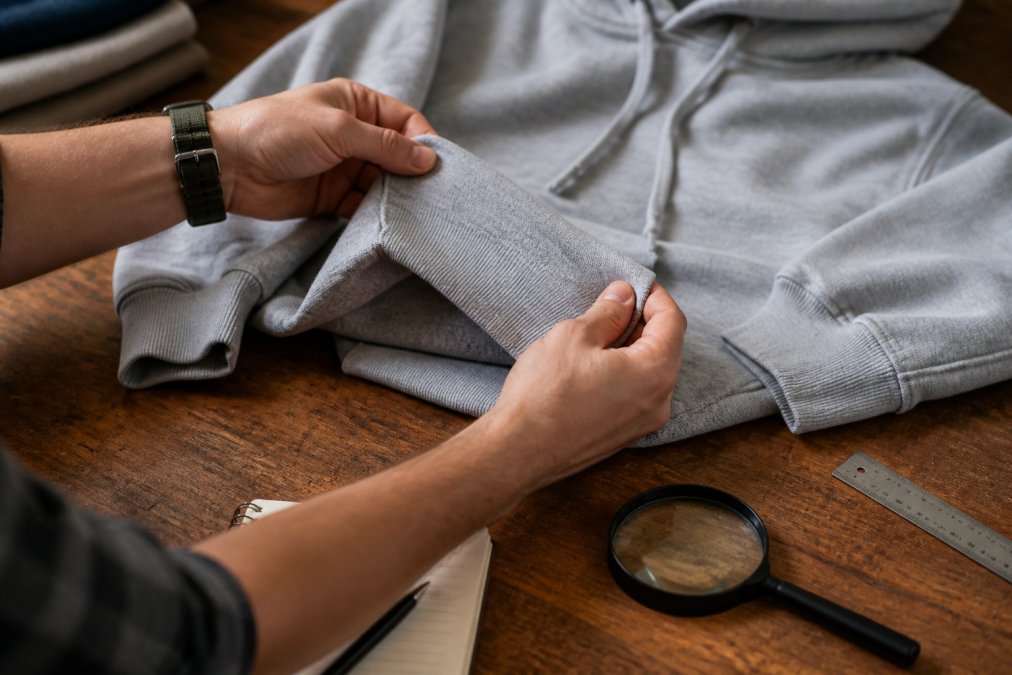
You can assess a hoodie's quality before purchase by examining specific construction details. This tactile inspection takes five minutes and immediately reveals whether you're looking at a premium garment or a throwaway.
Tactile Testing and Visual Inspection
First, feel the fabric. Squeeze a handful of the hoodie and release it. A quality hoodie will spring back to shape immediately. If it stays crumpled, the fabric lacks resilience and will look worn quickly. Run your hand across the surface in both directions. It should feel smooth and consistent. Rough or fuzzy patches suggest lower-quality cotton or improper finishing.
| Quality Indicator | What to Look For | What It Means |
|---|---|---|
| Fabric Weight | Heavy, substantial feel; resists wrinkles | Better durability and shape retention |
| Seam Construction | Double-needle stitching with overlock finish | Seams won't separate after washing |
| Ribbing | Snaps back immediately when stretched | Cuffs and waistband will stay fitted |
| Drawstring | Thick, finished with aglets | Attention to detail throughout |
| Hood Attachment | Reinforced with extra stitching or tape | Won't separate or tear under stress |
| Fabric Surface | Smooth, consistent texture | Won't pill or show wear quickly |
Frequently Asked Questions
How do I tell if a hoodie is good quality?
A high quality hoodie shows several clear signs: heavyweight fabric (280 GSM or higher), tight, even stitching with no loose threads, durable ribbing on cuffs and hem that holds its shape, and quality drawstring hardware with aglets. Feel the fabric, it should be soft but substantial, not thin or papery. Check seams for double-needle stitching or overlock construction.
Is 80% cotton 20% polyester good for a hoodie?
Yes, an 80% cotton and 20% polyester blend is excellent for hoodies. This ratio gives you the best of both: cotton's breathability and comfort with polyester's durability, shape retention, and resistance to shrinking. The higher cotton percentage keeps the hoodie soft and wearable, while polyester reduces pilling and improves wash-and-wear performance. Many premium hoodies use this exact blend, especially when combined with Ringspun cotton and heavyweight fabric (280 GSM or higher). This composition ensures your hoodie maintains its fit and appearance through repeated washings.
Does fabric weight (GSM) determine hoodie quality?
Fabric weight is one critical factor, but not the only one. GSM (grams per square meter) tells you how dense and substantial the fabric is, 280 GSM or higher indicates a heavyweight hoodie with better durability and thermal insulation. However, quality also depends on fiber type (Ringspun cotton is superior to standard cotton), construction method (double-needle stitching matters). A 280 GSM hoodie made with cheap polyester will underperform a 250 GSM hoodie made from combed, Ringspun cotton. Weight matters, but pair it with quality materials and construction.
What's the best way to care for premium hoodies to make them last?
Wash your premium hoodie inside-out in cold water using a gentle cycle to protect the print and fabric surface. Use mild detergent. Dry on low heat or air-dry to prevent shrinkage and preserve elasticity in ribbing. Never use bleach or high-temperature water. If pilling occurs, use a fabric shaver to remove pills without damaging the knit structure. Following these steps preserves the fabric's integrity and keeps your hoodie looking new for years.
Why should I buy from JK Creation Finds instead of cheaper alternatives?
JK Creation Finds hoodies are made with 80% Ringspun cotton, 10% polyester, and 10% recycled polyester at 280 GSM, a heavyweight construction that resists pilling and maintains shape through repeated wear and washing. Each hoodie features side-seamed construction, tear-away labels, and customization options that let you add personal touches. The brand donates 1% annually to charitable causes, and offers free shipping and returns. These hoodies are designed to last years, not months, making them better value than cheaper options that fade, shrink, or fall apart.
What's the difference between ring-spun and standard cotton in hoodies?
Ringspun cotton undergoes an extra spinning process that aligns fibers more tightly, creating a smoother, stronger yarn with better tensile strength. Hoodies made from Ringspun cotton feel softer, resist pilling longer, and hold color better than those made from standard cotton. The tighter fiber structure also reduces shrinkage and improves durability through repeated washing. Standard cotton fibers are less aligned, making the fabric prone to pilling and uneven wear. If a hoodie's label specifies 'Ringspun cotton,' you're getting superior longevity and comfort, it's one of the most reliable quality indicators.

