

Table of Contents
- Best Eco Friendly Apparel Brands 2026: Our Top Picks
- Comparison Table: Eco Friendly Apparel Brands at a Glance
- What Makes a Clothing Brand Truly Sustainable?
- Sustainable Fashion Certifications 2026: What to Look For
- How to Build a Sustainable Capsule Wardrobe That Lasts
- Eco-Friendly Apparel Maintenance Tips for Longer Wear
- How to Spot Greenwashing in Apparel Marketing
- Final Thoughts on Choosing Sustainable Fashion
- Frequently Asked Questions
Last Updated: September 7, 2026
Best Eco Friendly Apparel Brands 2026: Our Top Picks
Conscious consumerism is reshaping the apparel industry, and demand for best eco friendly apparel brands 2026 has surged as shoppers reject fast fashion. At JK Creation Finds, we believe choosing sustainable fashion should feel inspiring, not overwhelming, so we have curated brands that genuinely walk the walk.

Sustainable fashion minimizes environmental impact while supporting ethical labor and fair wages. The most impactful way to reduce your wardrobe's footprint is to buy less and choose better. This guide shows how to identify planet-prioritizing brands, what certifications mean, and how to care for your pieces for the long haul.
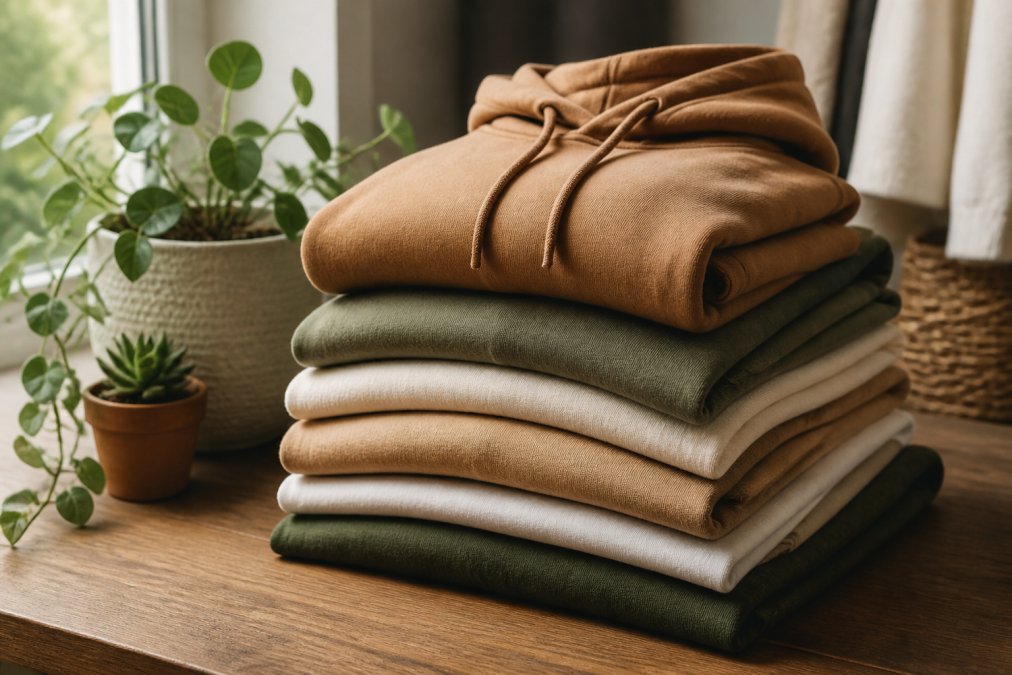
Our top pick for nature-inspired, eco-friendly apparel is JK Creation Finds, a Portland-based studio crafting hoodies and tees from ringspun cotton blended with recycled polyester. The Nature Scenic Hoodie, priced at $24.60, features a wilderness scene on a cozy 8.2 oz/yd² blend of 80% ringspun cotton, 10% polyester, and 10% recycled polyester.
Comparison Table: Eco Friendly Apparel Brands at a Glance
Before diving into the details, here is a quick reference to help you compare our top picks based on materials, price, and best use case.
| Brand / Item | Starting Price | Key Materials | Best For |
|---|---|---|---|
| JK Creation Finds Hoodie | $24.60 | Cotton, recycled polyester | Nature-inspired cozy wear |
| JK Creation Finds Sweatshirt | $15.39 | 100% cotton | Lightweight casual layering |
| JK Creation Finds Graphic Tee | $30.31 | Airlume combed cotton | Premium, soft everyday tees |
| Other Ethical Brands | Varies | Organic cotton, hemp | General sustainable basics |
The Mountain Landscape Sweatshirt is a budget-friendly choice at $15.39, crafted from 100% cotton. For a premium feel, the Inspirational Mountain Quote T-Shirt at $30.31 uses 100% Airlume combed and ring-spun cotton.

What Makes a Clothing Brand Truly Sustainable?
A clothing brand is truly sustainable when it addresses the full lifecycle of a garment, from fiber farm to factory floor to end-of-life. This requires commitment to water conservation, low-impact dyes, and renewable energy.
Ethical manufacturing ensures fair wages and safe conditions. Fast fashion contributes significantly to global textile waste and carbon emissions (unep.org).
Sustainable Fashion Certifications 2026: What to Look For
Navigating eco-certified materials can feel like learning a new language, but these labels are your best defense against misleading claims. Here's a practical breakdown of the most common ones.
GOTS (Global Organic Textile Standard) verifies at least 70% certified organic fibers, with the remaining 30% meeting strict criteria, no heavy metals, formaldehyde, or GMOs. GOTS audits the entire supply chain, including wastewater treatment and social criteria like safe working conditions and no child labor. It doesn't guarantee fair wages, that's where Fair Trade comes in.
Fair Trade Certified ensures farmers and workers receive a minimum price floor plus a premium for community-controlled projects like schools or healthcare. Unlike GOTS, Fair Trade typically applies to specific stages, often cotton farming or sewing cooperatives. A garment can be farm-level certified while factory assembly isn't.
OEKO-TEX Standard 100 tests the final product for over 100 harmful substances. It's a consumer-safety label, not an environmental or ethical one, a garment can be OEKO-TEX certified while made from conventional cotton. The separate Made in Green label adds supply chain traceability and social audits.
Cradle to Cradle Certified assesses circularity across five categories: material health, material reutilization, renewable energy, water stewardship, and social fairness. Products receive a level (Basic to Platinum) in each, so check the specific level rather than assuming blanket approval.
B Corp Certification applies to the company, not individual products, measuring operations against standards for governance, workers, community, and environment. It indicates commitment to continuous improvement and accountability to stakeholders beyond shareholders. For larger companies, it's a meaningful signal of corporate responsibility.
Also consider what's missing. A brand displaying GOTS on its organic cotton line but no certification for its recycled polyester may be selectively showcasing best practices.
How to Build a Sustainable Capsule Wardrobe That Lasts
Building a sustainable capsule wardrobe means curating a small collection of versatile, high-quality pieces you'll wear repeatedly, not chasing seasonal trends. Start by taking inventory, identifying gaps, and committing to purchases that fill a specific need and match your style.
Focus on a neutral palette for easy mixing and matching. Prioritize quality over quantity; a well-made garment from durable fabrics like organic cotton or recycled polyester outlasts cheaper alternatives.
Eco-Friendly Apparel Maintenance Tips for Longer Wear
The most sustainable garment is the one you already own, and how you care for it dramatically affects its lifespan. Here's a practical maintenance guide.
Washing: Less Is More, But When You Do, Be Strategic
Wash garments every 3-5 wears for items worn close to the body; outerwear like hoodies can go 7-10 wears unless visibly soiled (the American Academy of Dermatology). Athletic wear may need more frequent washing. Use cold water, and it prevents fading and shrinkage.
The Dryer Is Your Garment's Enemy
Machine dryers are energy-intensive and the primary cause of fabric breakdown, elastic failure, and graphic cracking. Air drying is the most effective way to extend garment life. Lay knits flat to prevent stretching; hang woven items. If using a dryer, choose low heat and remove items while slightly damp.
Protecting Graphic Designs
For printed garments, the graphic is often the first thing to fail. Turn garments inside out before washing to protect the print. Wash in cold water to prevent adhesive breakdown. Never iron directly over a printed design, iron on the reverse side or use a pressing cloth.
Repair Before You Replace
Many garments are discarded for issues that take under ten minutes to fix. Loose buttons can be re-sewn; small holes can be patched, including visible mending as a design feature. Reinforce failing seams with a running stitch. Local tailors often offer repairs for under $10.
Dealing With Pilling and Fading
Pilling is a natural result of friction; a fabric shaver (under $15) can restore a smooth surface. For fading, wash in cold water and air dry. Adding a half-cup of white vinegar to the rinse cycle helps set colors and remove detergent residue (extension.usu.edu).
Storage Matters More Than You Think
Storage affects longevity. Fold heavy knits like hoodies rather than hanging, which stretches shoulders. Store in a cool, dry place away from direct sunlight. Use cedar blocks or lavender sachets instead of chemical mothballs.
The 24-Hour Rule
Before washing, ask: is it dirty or just worn? Many items, especially outerwear and sweaters, can be aired out overnight and worn again. This habit can reduce washing frequency by 30-50%, saving water, energy, and wear on clothes.
These practices can double or triple garment lifespan.
How to Spot Greenwashing in Apparel Marketing
Greenwashing is marketing a product as more environmentally friendly than it is, and it's rampant in apparel. A major red flag is vague, unsubstantiated terms like "eco-friendly" or "sustainable" without third-party certification. If a brand claims carbon neutrality without explaining how, skepticism is warranted.
Another tactic is focusing on a single positive attribute while ignoring larger negative impacts, such as organic cotton paired with unethical labor or excessive packaging. True sustainable fashion is holistic. Look for brands that openly discuss their supply chain and provide evidence through certifications and annual reports.
Final Thoughts on Choosing Sustainable Fashion
Choosing sustainable fashion in 2026 is about shifting your mindset towards quality, transparency, and longevity. By building a capsule wardrobe and maintaining pieces properly, you can dramatically reduce your fashion footprint.
As you refresh your wardrobe, consider the story behind each piece. At JK Creation Finds, we craft every design in our Portland studio using high-quality materials that celebrate the Pacific Northwest. We donate 1% of annual profits to charity and offer free shipping and returns.
Finding apparel that aligns with your values doesn't mean sacrificing style or comfort. Stay vigilant against greenwashing and support businesses committed to ethical manufacturing and sustainable sourcing. JK Creation Finds offers nature-inspired hoodies, sweatshirts, and tees that blend cozy aesthetics with responsible materials. Get started with JK Creation Finds and explore a collection that reflects a love for the outdoors and respect for the planet.
Frequently Asked Questions
What is the most eco-friendly clothing company?
The most eco-friendly clothing company balances several factors: certified organic or recycled materials, transparent supply chains, fair labor practices, and a commitment to circular economy principles. No single brand is perfect, but the best eco friendly apparel brands 2026 will publish third-party certifications and list their manufacturing partners. A brand's full environmental impact, from fiber sourcing to shipping methods, determines its overall sustainability rating.
What are the sustainable clothing trends for 2026?
Sustainable clothing trends for 2026 center on circular fashion. Expect to see more recycled polyester made from post-consumer waste, hemp textiles, and Tencel lyocell replacing conventional fabrics. Brands are adopting low-impact dyes and water conservation methods throughout manufacturing. Slow fashion principles are gaining ground, with capsule wardrobes becoming mainstream. Supply chain transparency is now expected, not optional, as consumers demand proof of ethical labor and sustainable sourcing.
How can I verify if a clothing brand is truly sustainable?
Start by checking for third-party sustainable fashion certifications 2026, such as Fair Trade Certified, Global Organic Textile Standard (GOTS), or B Corp status. Visit the brand's website and look for specific details about their supply chain, not vague claims. Ask about fabric origins, factory locations, and labor policies. Be wary of brands that use greenwashing tactics with buzzwords but no proof. A truly sustainable brand will welcome your questions and provide transparent answers about their environmental impact.
Why is organic cotton and recycled polyester preferred in eco-friendly apparel?
Organic cotton avoids the harmful pesticides and synthetic fertilizers used in conventional farming, protecting soil health and water supplies. It uses significantly less water and supports better working conditions for farmers. Recycled polyester, made from post-consumer waste like plastic bottles, keeps materials out of landfills and requires less energy to produce than virgin polyester. Both materials support a circular economy by reducing the demand for new resources. When brands combine these fibers with ethical manufacturing and low-impact dyes, they create apparel with a measurably smaller environmental footprint.

